Nature's Original High-Performer: Why Luxury Fashion Is Walking Away from Synthetics and Back to Silk

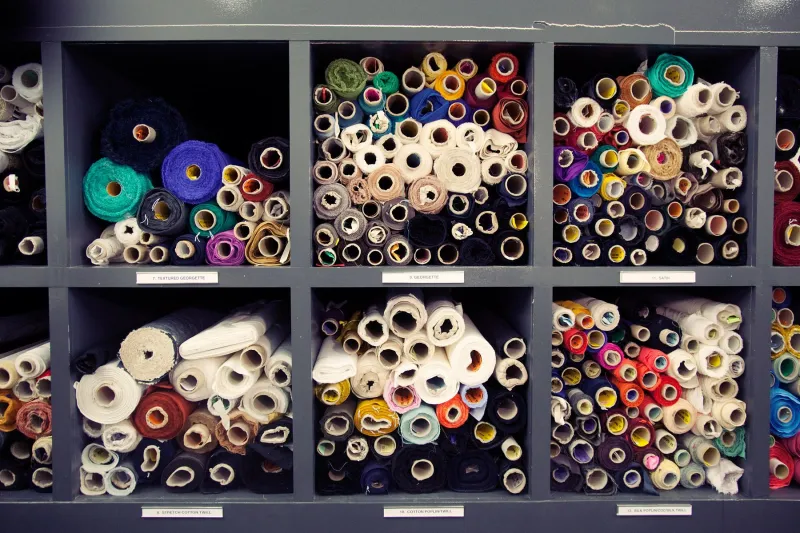
Photo by Photo by antonio massara on Unsplash on Unsplash
For a decade or more, the fashion industry placed an almost reverential faith in synthetic innovation. Moisture-wicking polyester, temperature-regulating nylon blends, and engineered microfibers were marketed as the future of performance fabric — sleek, durable, and purpose-built for the modern body. Luxury brands invested heavily in this narrative. And yet, quietly and with increasing conviction, many of those same brands are now reversing course.
The destination they are returning to is not a new one. It is silk — a fiber that has clothed emperors, crossed trade routes, and outlasted every textile trend civilization has produced. What is changing is not silk itself, but rather our capacity to understand precisely why it performs the way it does.
The Science That Synthetics Could Not Replicate
Silk is, at its core, a protein fiber. Produced by Bombyx mori silkworms, it is composed primarily of fibroin — a structural protein arranged in a triangular cross-section that gives each filament its characteristic luminosity and, more importantly, its functional architecture.
This triangular structure creates natural air pockets within the weave, allowing silk to trap warmth in cooler temperatures while simultaneously permitting heat and moisture vapor to escape when the body warms. The result is a fabric with genuine thermoregulatory intelligence — not the simulation of it, but the real thing, achieved without chemical treatment or engineered coating.
Synthetics, by contrast, rely on mechanical structures and applied finishes to approximate these qualities. Microfiber polyester can wick surface moisture, but it does not breathe in the biochemical sense. It does not respond to the body's changing temperature the way a protein fiber does. And critically, those applied finishes degrade. Wash a synthetic performance garment enough times, and the properties that justified its premium price begin to disappear. Silk, properly cared for, does not diminish in the same way.
Dr. Pamela Novak, a textile scientist at a New England research institution who has consulted for several American fashion houses, has described silk's thermoregulation as "fundamentally different in kind, not just degree" from synthetic alternatives. The fiber absorbs up to 30 percent of its weight in moisture without feeling damp — a property no current synthetic fully replicates.
The Designers Who Made the Switch
Among independent American designers, the return to silk often begins with a practical frustration. Many describe investing in high-end synthetic blends for elevated ready-to-wear collections, only to receive client feedback about discomfort, clamminess, or a certain flatness in how the garment moved and aged.
Marcella Oates, a New York-based womenswear designer whose work is stocked in several independent boutiques across the Northeast, made the decision to eliminate performance synthetics from her line three seasons ago. "I was spending more on marketing the technical properties of synthetic fabrics than I was on the fabric itself," she said. "And the moment a client actually wore silk beside it, the conversation was over. Silk won every time."
Her observation is not merely aesthetic. She notes that silk garments from her collection are returning to clients for resale or alteration years after purchase — a lifecycle pattern she never observed with synthetic pieces. "Longevity is the ultimate luxury," she said. "And silk is the only fabric that actually delivers it."
This sentiment is echoed by larger houses as well. Several European luxury brands with significant American retail presence have, in recent seasons, quietly reduced the proportion of synthetic performance fabrics in their signature lines, redirecting that investment toward higher-grade silk sourced from traditional weaving regions.
Sustainability as a Driver, Not Just a Trend
The American luxury consumer has grown considerably more sophisticated about the environmental claims attached to textiles. The concept of "greenwashing" — the practice of marketing synthetic or blended fabrics as sustainable without adequate evidence — has entered mainstream fashion discourse, and discerning buyers are asking harder questions.
Silk presents a compelling case when examined honestly. It is a renewable, biodegradable protein fiber. A silk garment that reaches the end of its useful life does not persist in a landfill the way polyester does. The cultivation of silkworms, while resource-intensive, does not involve the petrochemical processes that underpin synthetic fiber production.
There are legitimate considerations around silk's supply chain — questions of labor, water use, and the ethical treatment of silkworms that serious buyers should examine. But when measured against the environmental permanence of synthetic microplastics, which shed into waterways with every wash cycle, silk's overall footprint is considerably more defensible.
For American designers building collections with longevity and sustainability at their core, silk increasingly represents the most honest choice available.
What Longevity Actually Looks Like
One of the most persuasive arguments for silk's performance superiority is visible in vintage markets and estate sales across the United States. Silk garments from the mid-twentieth century — blouses, scarves, and evening wear — regularly surface in condition that polyester items from the 1990s cannot match. The fiber's natural protein structure resists the brittleness and discoloration that plague synthetic textiles over time.
This is not nostalgia. It is material evidence that silk's longevity is structural, not incidental. When a fabric can be worn, stored, and passed between generations without losing its fundamental character, it represents a different category of value than any engineered textile currently on the market.
For the designer sourcing fabric for a collection intended to carry a client through years rather than seasons, this distinction is not academic. It is the difference between building a reputation and merely filling a rack.
The Moment of Reckoning for Luxury Fabric
The broader luxury market is arriving at a point of honest reckoning. Consumers who have spent years purchasing premium synthetics on the promise of superior performance are beginning to compare that promise against the lived experience of wearing silk. The comparison is rarely favorable to the synthetic.
At First Silk, we have observed this shift in the inquiries we receive from independent designers across the country. The questions have moved away from "which synthetic blends are worth considering" and toward "how do I identify the right weight and weave of silk for this specific application." That is a meaningful change in the conversation — one that suggests the market has moved past novelty and into genuine discernment.
Silk was never displaced by synthetics because it failed. It was displaced by the seductive promise of innovation and the lower cost of petroleum-based production. That promise has now been tested across decades of wear, and the verdict is becoming clear.
Nature's original performance fabric was never surpassed. It was simply, for a time, overlooked.