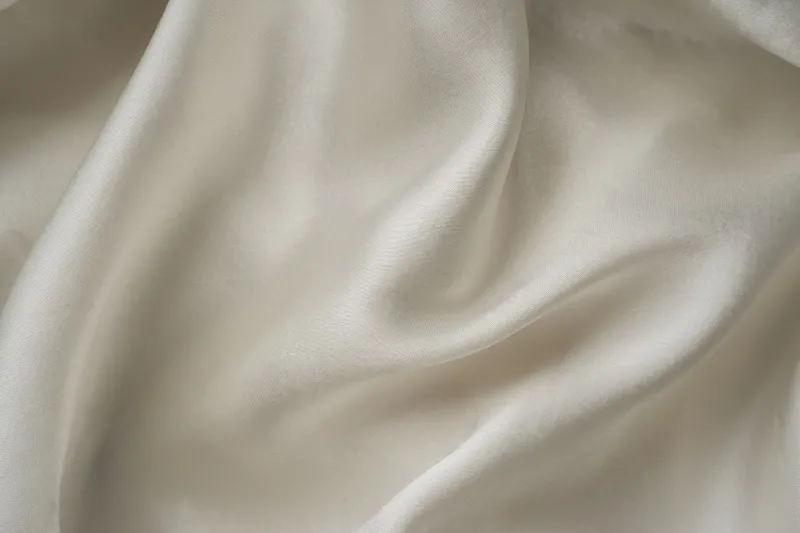
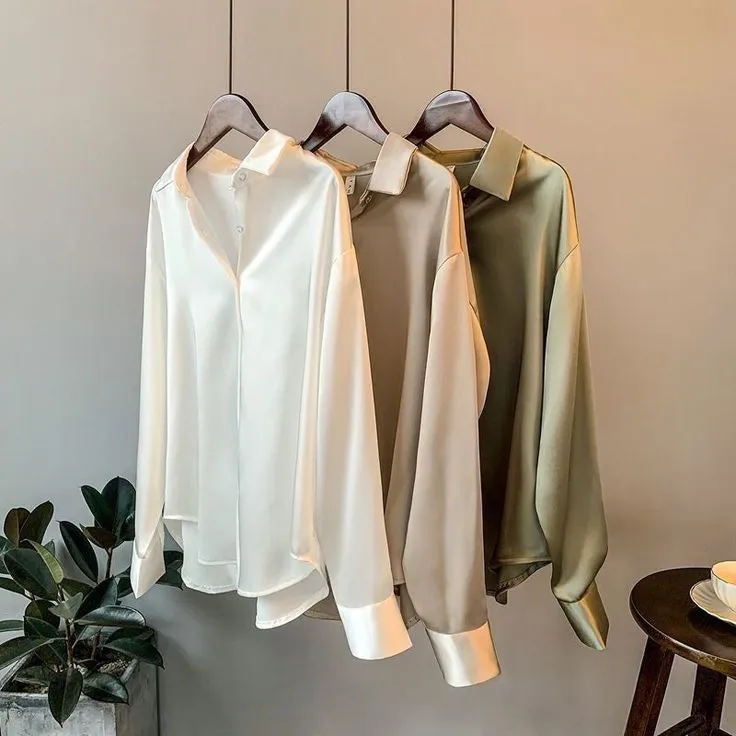
From Mill to Maker: How Luxury Fashion Houses Are Cutting Out the Middleman and Reclaiming the Silk Supply Chain
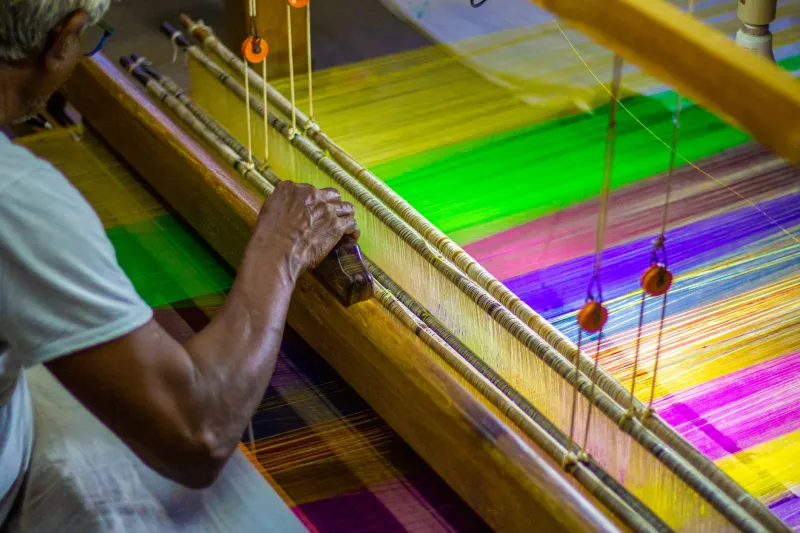
For decades, the path between a silk mill in Suzhou or Como and a designer's atelier in New York ran through a predictable series of intermediaries — importers, distributors, wholesale agents, and showroom representatives. Each link in that chain added margin, compressed timelines, and introduced a layer of interpretive distance between the fabric's origin and the hands that would ultimately transform it. That model, long accepted as simply the way things worked, is now being dismantled with quiet deliberateness by some of the most discerning names in American fashion.
The shift is not dramatic or sudden. It has unfolded gradually, driven by a convergence of forces: the pandemic-era disruption of global supply chains, a broader industry reckoning with transparency and provenance, and a growing recognition among luxury designers that the wholesale intermediary — however convenient — is fundamentally misaligned with the standards that define true luxury. What is emerging in its place is a new model of direct mill partnership, one built on exclusivity, continuity, and a shared commitment to craft.
The Cost of Convenience
The traditional wholesale structure served a practical purpose, particularly for smaller studios without the purchasing volume to command attention from major mills. Wholesalers aggregated demand, simplified logistics, and offered designers access to a curated inventory without the complexity of international sourcing. But convenience has always carried a price — and in the luxury segment, that price extends beyond the financial.
When fabric passes through multiple hands before arriving at a designer's studio, something intangible is lost. The story of the cloth — its origin, the specific conditions of its production, the artisans who wove it — becomes diluted. Provenance, which has emerged as one of the defining currencies of contemporary luxury, is difficult to authenticate when the supply chain is opaque. For a designer whose entire value proposition rests on the integrity of materials, this is not a minor inconvenience. It is a foundational problem.
There is also the matter of consistency. A designer who sources through a wholesaler is, in effect, competing for access to the same inventory as every other studio on that distributor's client list. Securing a particular weight of charmeuse or a specific momme of habotai in quantity — and then reliably reordering that exact fabric across multiple seasons — is far more difficult when the designer has no direct relationship with the mill producing it.
What Direct Relationships Actually Look Like
For designers who have made the transition to direct mill sourcing, the structure of these partnerships varies considerably. Some have negotiated annual purchase commitments in exchange for reserved production capacity and early access to new colorways. Others have entered into co-development arrangements, working directly with mill technicians to create proprietary weave structures or finishes that are exclusive to their label.
Margaret Holt, a Brooklyn-based independent designer whose eveningwear line has earned a devoted following among East Coast collectors, began transitioning to direct mill sourcing three years ago after a frustrating experience with a wholesaler who could not guarantee continuity on a silk satin she had built an entire collection around. "I had customers asking to reorder pieces, and I couldn't produce them because the fabric had simply disappeared from the market," she recalls. "That's when I realized the wholesale model was incompatible with the kind of long-term relationship I wanted to build with my clients."
Holt now works directly with two mills — one in Italy, one in South Korea — and describes the relationships as genuinely collaborative. "They know my aesthetic. They'll call me when they're developing something new that they think fits my work. That kind of dialogue doesn't happen through a distributor."
The Financial Architecture of Direct Sourcing
The financial case for direct mill partnerships is compelling, though it requires a willingness to think in longer cycles than the traditional seasonal buying calendar demands. The elimination of wholesale markup — which can range from 30 to 60 percent depending on the category and distributor — creates immediate margin improvement. But the more significant financial advantage lies in the stability that direct relationships provide.
Designers with established mill partnerships can negotiate pricing structures that remain stable across multiple seasons, insulating them from the spot-market volatility that plagues designers who buy through distributors. They can also plan production more accurately, reducing the costly over-ordering that often results from uncertainty about future availability.
For studios operating at higher volume, the ability to co-invest in custom fabric development — sharing the cost of a new jacquard program or an exclusive dyeing process with the mill — creates a category of material that is genuinely unavailable to competitors. In a market where differentiation is existential, that exclusivity has measurable commercial value.
Implications for the Broader Supply Chain
The movement toward direct mill relationships is not without its challenges, particularly for designers who lack the purchasing volume or international sourcing infrastructure to make these partnerships viable from the outset. Mills that have historically worked through distributors are not always equipped to manage the administrative complexity of many small direct accounts, and the minimums required to enter a direct relationship can be prohibitive for emerging studios.
However, the landscape is evolving. A number of mills — particularly those in Italy and Japan that have built their reputations on serving the upper tier of the fashion market — have begun developing more flexible direct-access programs specifically designed for independent designers and smaller luxury houses. These programs typically offer lower entry minimums in exchange for longer commitment periods, effectively allowing a designer to grow into the relationship over time.
For the final consumer, the implications of this shift are largely positive. Garments made from fabrics with fully traceable, directly sourced provenance carry a different kind of authority. The designer can speak with precision about where the silk was produced, how it was finished, and what distinguishes it from anything available through conventional retail channels. That specificity is increasingly what sophisticated American luxury consumers expect — and increasingly what they are willing to pay for.
Building for the Long Term
The designers who have navigated this transition most successfully share a common orientation: they approach mill relationships not as transactional arrangements but as long-term creative partnerships. They visit the mills. They invest time in understanding the production process. They treat the fabric itself as a co-author of the work, rather than a raw material to be specified and ordered.
This orientation is, in many ways, a return to an older model of how luxury fashion was made — one in which the relationship between maker and material was direct, personal, and built on mutual respect for craft. The intermediary layer that accumulated over the latter half of the twentieth century was, in retrospect, an artifact of scale and convenience rather than a structural necessity.
As the luxury market continues to consolidate around values of authenticity, traceability, and genuine rarity, the designers who have already built direct relationships with the mills producing the world's finest silk will find themselves with a meaningful and durable competitive advantage. The middleman's era in luxury fabric sourcing is not over — but it is, unmistakably, drawing to a close.