Buying Blind: The Five Costliest Errors Newcomers Make When Purchasing Silk

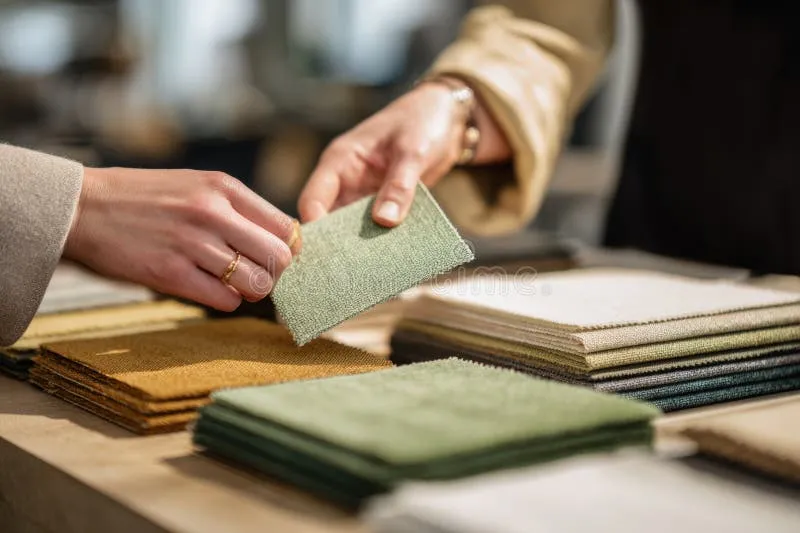
Photo: person examining silk fabric swatches on table natural light, via c8.alamy.com
There is a particular moment every silk buyer remembers: the arrival of a package that looked magnificent on screen and disappointing in hand. The color is wrong. The hand is stiffer than promised. The yardage, on closer inspection, is not silk at all. For first-time buyers — whether an independent designer in Los Angeles stocking a debut collection or a consumer in Chicago commissioning a custom gown — these early missteps carry a real price tag. Below, we walk through the five most common errors, what each typically costs, and the remedy that seasoned buyers consider non-negotiable.
Mistake One: Shopping by Weight Alone
Momme weight — the standard density measure for silk — gets treated like a grade in school: higher must be better. In practice, a 30-momme charmeuse is a heavy, opulent fabric for structured eveningwear and a poor choice for a flowing summer blouse. A buyer who purchases a 25-momme silk for a bias-cut slip dress will discover the drape fights the garment rather than serving it.
The cost: A mis-matched weight often means abandoning or heavily discounting finished pieces. On a 15-yard order at premium pricing, that can mean $300 to $600 in unusable material, plus the labor already invested.
The fix: Match momme to the project before matching it to your ego. Lightweight silks (8–16 momme) suit blouses, linings, and airy dresses. Mid-weights (16–22) handle tailored pieces and versatile dresses. Reserve 25 momme and above for structured statement work.
Mistake Two: Trusting the Word 'Silk' Without Reading Further
The label reads "silk-touch," "silk-wrapped," or "silk-feel" — legally compliant phrases that frequently describe polyester with, at best, a silk blend or a silk-like finish. Federal labeling rules require fiber content disclosure, but marketplaces and overseas listings often obscure or omit it.
The cost: Beyond the purchase price itself, the damage compounds: garments that pill, yellow, and lose their drape within a season, and a brand reputation that suffers with every customer return.
The fix: Read the fiber content line, not the marketing copy. If a listing says only "silk-feel," assume polyester until proven otherwise. Reputable suppliers state mulberry silk content plainly and welcome questions about their mills.
Mistake Three: Ignoring Dye Lot Variations
Silk is a natural protein fiber, and it accepts dye with a living, slightly unpredictable character. Two bolts from the same mill, dyed in different lots, can differ noticeably — sometimes subtly, sometimes dramatically. Buyers who order additional yardage weeks after the first purchase routinely discover the new bolt does not match.
The cost: For a designer, a mismatched dye lot can force a partial garment remake — easily $200 to $1,000 in materials and labor once a seamstress is involved. For a consumer, it can mean a gown whose panels no longer match.
The fix: Order all yardage for a project in a single transaction, and confirm the dye lot with the supplier in writing. If a reorder might be necessary, ask whether the lot can be held.
Mistake Four: Skipping the Swatch Stage
It is the most understandable shortcut and the most expensive one. Screens render silk poorly; a photograph cannot communicate luster, translucency, or hand. Buyers who commit to full-yardage orders on the strength of a product image routinely discover that the fabric reads entirely different in daylight.
The cost: The average buyer who skips swatches and receives unsuitable fabric loses the full order value — frequently $150 to $800 — and often pays return shipping or restocking fees on top.
The fix: Order swatches first, always. A $10 to $30 swatch investment protects a purchase many times its size. Examine the swatch in daylight, under indoor light, and against your skin.
Mistake Five: Chasing the Lowest Price Per Yard
Genuine mulberry silk has a floor price determined by sericulture, reeling, weaving, and dyeing. When a listing undercuts that floor by a wide margin, the explanation is almost always a blend, a synthetic, or a heavily weighted finish that inflates the fabric artificially. The bargain bolt becomes a garment that fails after two wearings.
The cost: Beyond the wasted purchase, the true cost is reputational for designers and deeply disappointing for consumers: a treasured piece that ages poorly.
The fix: Treat price as a signal, not an enemy. Compare across reputable suppliers, understand what a fair range looks like for the weight and weave you need, and be suspicious of deals that defy the economics of the material.
A Closing Word for the First-Time Buyer
None of these errors reflect inexperience so much as a market that rewards speed over scrutiny. The correction, in every case, is the same instinct: slow down, verify, and buy with intention. Order the swatch. Read the label. Match the fabric to the project. The designers and collectors who build lasting relationships with silk are, almost universally, the ones who learned these lessons early — and cheaply.