Unpicking the Past: Inside the Ateliers Turning Heirloom Gowns Into Tomorrow's Couture

In a third-floor studio in Chicago's Fulton Market district, a designer stands over a 1950s silk kimono laid flat on a cutting table. She does not reach for her shears. Instead, she spends nearly forty minutes studying the garment — turning the cuff, examining the lining, running her fingers along every seam. Only when she is satisfied does she begin to unpick, stitch by stitch, a robe that has survived seven decades.
What she is recovering is fabric that no longer exists. The tsumugi-weave silk in this kimono was woven on a domestic loom in Japan, dyed with natural pigments, and finished by hand. No mill produces it today. In the emerging practice that insiders have come to call silk harvesting, that irreplaceability is precisely the point.
Why Dead Fabric Has Become the Most Desired Fabric
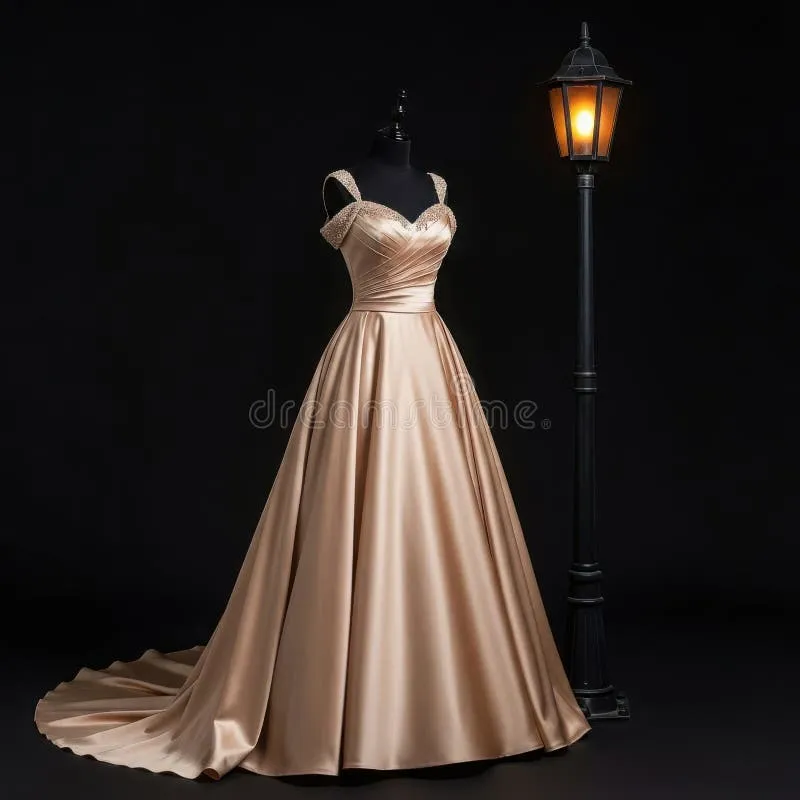
The term dead-stock has circulated through fashion circles for years, but heirloom harvesting operates on a different logic entirely. Rather than warehouse overruns, these designers are sourcing garments that were already treasured — wedding gowns from the 1940s, couture dresses from defunct American houses, silk scarves accumulated by a generation that considered such purchases investments.
The appeal is twofold. First, the material itself: silks woven before the 1970s frequently carry a weight, luster, and hand-feel that modern high-volume production struggles to replicate. Second, the story. A gown deconstructed and reborn as a tailored vest carries its provenance into its next life, and American clients increasingly want that narrative stitched into their wardrobes.
"My clients aren't buying a blouse," says one New York atelier founder who asked that her client list remain unnamed. "They're buying a garment with a biography. That's something no new yard of fabric can offer."
Sourcing: Where the Harvest Begins
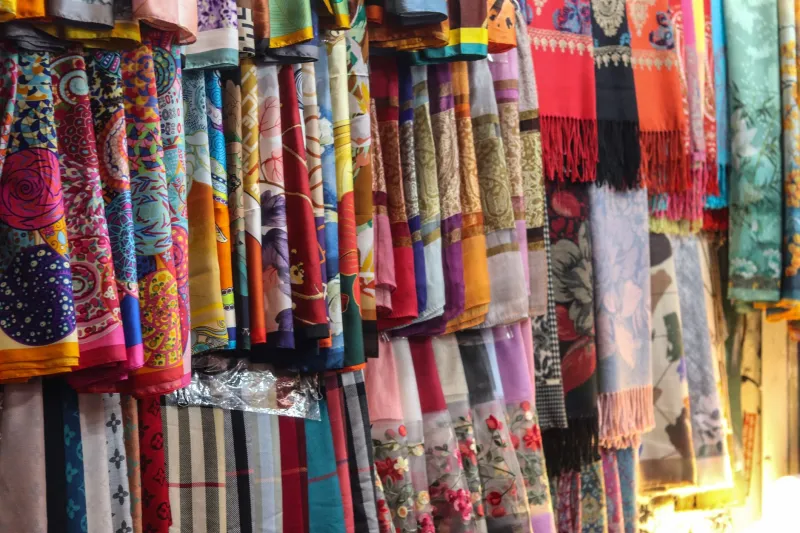
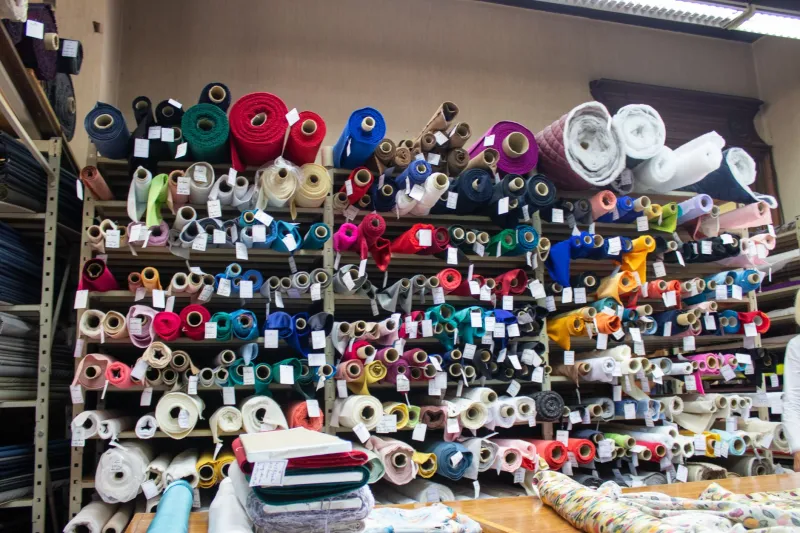
For designers entering this space, sourcing is the first discipline to master. Estate sales remain the richest vein, particularly in the Northeast and Midwest, where attics still hold trousseau boxes packed with wartime-era silk. Auction houses in Los Angeles and New York now routinely include vintage textiles in their couture sales, and specialized dealers have emerged to broker single garments at collector prices.
Reputable harvesters share a few sourcing principles:
- Buy the fabric, not the silhouette. A garment whose shape is unfashionable may still hold flawless yardage.
- Verify fiber before price. A burn test on an interior seam snippet, or simply the cool, dense hand of genuine mulberry silk, separates treasure from imitation.
- Inspect the unworn zones. Underarms, seam allowances, and hem interiors reveal how the fabric has aged where light and friction never reached.
What to Examine Before the First Cut
Veterans of the practice describe a pre-cutting ritual that borders on forensic. Sun damage is the great silent killer — silk fibers weaken under ultraviolet exposure even when the surface looks intact. A gentle tug at a seam allowance that produces a crisp, resistant stretch signals sound fabric; a dull tear or powdery fraying means the textile should be reserved for small accent pieces, if at all.
Water staining, perspiration damage at the lining, and dye migration from improper storage each carry different implications. Discoloration confined to a lining can often be worked around entirely. Staining on a face fabric dictates where the cutter places pattern pieces — or whether the garment is cut at all.
Perhaps counterintuitively, many ateliers counsel restraint. "Not every heirloom should be harvested," one San Francisco-based designer notes. "A pristine kimono in excellent condition is often more valuable intact than deconstructed. We turn down more garments than we take."
The Sustainability Case, Without the Slogan
While the movement is frequently described in environmental terms, its practitioners tend to speak more carefully. Reusing existing silk avoids the water, energy, and sericulture inputs of new production, certainly. But the stronger argument, they say, is cultural: harvesting keeps weaving traditions, dye techniques, and even the fingerprints of long-closed mills in circulation.
Several American design schools have taken notice, with deconstruction and textile-recovery modules now appearing in graduate curricula from the Fashion Institute of Technology to smaller West Coast programs. What began as a niche practice among collectors is quietly becoming a technical discipline of its own.
A New Definition of Luxury
For the discerning buyer, the lesson is a familiar one reframed. Quality has always been the foundation of serious silk purchasing; longevity has always been its reward. The harvesting movement simply extends that logic to its natural conclusion — a fabric so well made that its second century of service begins not in a museum case, but on a cutting table, under the hands of someone who understands exactly what they've been entrusted with.