The Tariff Seam: How 2026 Trade Policy Is Rewriting the Price of Luxury Silk
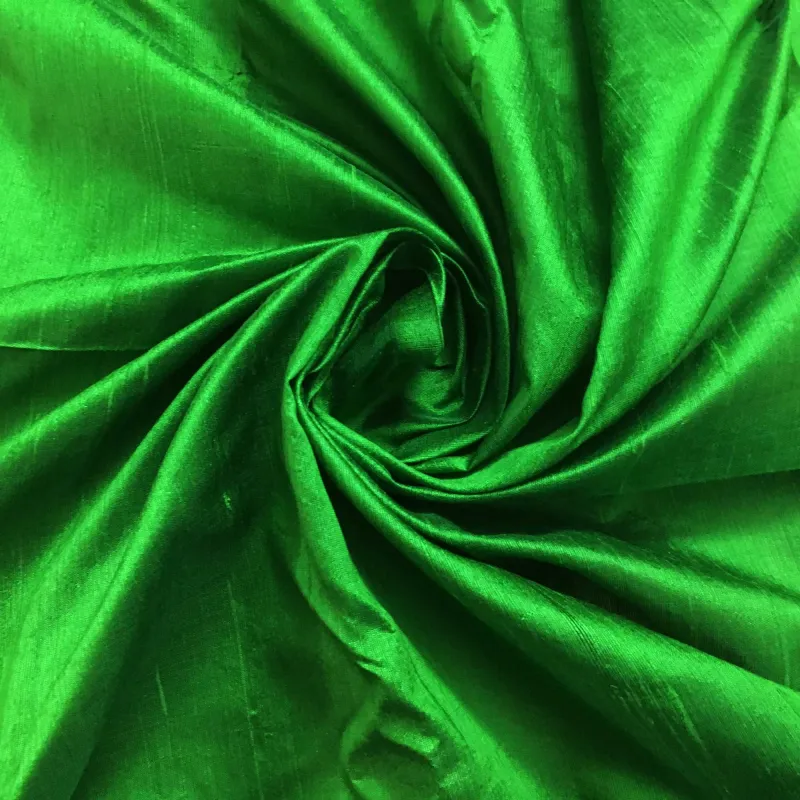
Photo: silk fabric rolls in customs warehouse with shipping documents, via cdn.shopify.com
Why Silk Buyers Are Watching Washington
For years, the landed cost of luxury silk was treated as a procurement detail — something for the importer to calculate and everyone else to forget. In 2026, that assumption is harder to sustain. Tariff schedules, customs classification, de minimis thresholds, and country-of-origin rules are moving with unusual frequency, and each change can alter the price of a fabric before it ever reaches a cutting table.
The effect is not limited to large importers. Independent designers ordering a few hundred meters, small ateliers commissioning special colors, and consumers buying finished silk goods all absorb the same policy signals at different points in the chain. The result is a market where the difference between a good buy and an expensive one may depend less on negotiation than on understanding the policy seam.
The Levers That Matter
Tariffs and duty rates. The first lever is the tariff itself. Silk fabrics and silk garments are classified under specific Harmonized Tariff Schedule codes, and the duty rate depends on fiber content, construction, and origin. A change in the applicable rate — whether through a new tariff action, a revised trade program, or a country-specific measure — flows directly into the landed cost.
Country-of-origin rules. Origin is not always where the fabric was woven. It can depend on where the silk was spun, dyed, printed, or finished. Rules of origin determine which trade preferences apply and whether a shipment qualifies for a reduced rate. A mill that sources raw silk from one country and weaves in another may produce a fabric with a more complex origin story than the label suggests.
De minimis and customs formalities. Low-value shipments have historically moved through customs with less friction. In 2026, the treatment of small parcels and sample shipments is under closer scrutiny. For designers who rely on swatches, samples, and small trial orders, a change in de minimis treatment can add cost and delay to the earliest stages of product development.
Forced-labor and supply-chain rules. Compliance requirements continue to shape which suppliers can sell into the US market. Documentation, traceability, and audit trails are now part of the cost of doing business. A supplier that cannot provide credible origin and chain-of-custody information may be cheaper on paper but riskier in practice.
Freight and currency. Tariffs get the headlines, but freight rates and exchange rates can move landed costs just as sharply. Silk is light relative to value, which helps, but air freight, insurance, and port handling still matter. A strong dollar may offset some tariff pressure; a weak one amplifies it.
From Mill to Showroom: Where the Money Goes
A useful way to understand the effect is to follow a hypothetical order. A designer in Los Angeles orders silk fabric from a mill in Italy. The mill quotes a price per meter. To that, add freight, insurance, customs brokerage, and the applicable duty. The result is the landed cost. The designer then adds cutting, sewing, finishing, and overhead before setting a wholesale price. The retailer applies its own margin, and the consumer sees the final number.
A tariff increase of a few percentage points may look modest at the mill stage, but it compounds. If the fabric is a small fraction of the finished garment's cost, the retail effect may be muted. If the fabric is the dominant cost — as it often is in a silk blouse or dress — the effect is more visible. The same logic applies in reverse: a tariff reduction or a favorable origin rule can create a meaningful advantage for a label that knows how to use it.
Hedging Strategies for Small Labels
Build a landed-cost model. Do not compare mill quotes without duty, freight, and fees. A simple spreadsheet that calculates landed cost by origin, fiber content, and shipment size is the most valuable tool a small label can have. Update it when policy changes.
Diversify origins, not just suppliers. A single mill in a single country exposes a label to a single policy regime. Where quality allows, qualify a second source in a different origin. This is not about chasing the cheapest option; it is about reducing concentration risk.
Consolidate shipments. Smaller, more frequent orders may incur disproportionate brokerage and freight costs. Consolidating where cash flow allows can reduce the per-unit burden. For sample orders, ask suppliers about consolidated sample shipments.
Use contract clauses. If you are committing to a large order, discuss who bears the risk of a tariff change. A clear clause on duty adjustments, force majeure, and delivery timing can prevent a policy surprise from becoming a margin crisis.
Consider bonded warehouses and foreign-trade zones. For larger importers, bonded storage and FTZ procedures can defer duties or allow re-export without full entry. The administrative overhead is real, but so is the cash-flow benefit.
Buy forward where appropriate. For designers with predictable demand, locking in fabric at a known landed cost can protect against short-term policy shifts. For everyone else, staged purchasing — buying in smaller lots and reordering — may be more prudent than a large speculative buy.
What It Means for Serious Buyers
For consumers, the practical advice is familiar: ask where the silk comes from, ask who made the garment, and expect transparency to cost something. A price that looks unusually low may reflect a supply chain that is vulnerable to the next policy change. A price that looks high may reflect a durable supply chain, fair labor, and honest origin documentation.
For designers, 2026 rewards the label that treats trade policy as a design constraint rather than an inconvenience. The mills, agents, and brokers who can explain landed cost clearly are worth keeping close. The ones who cannot may be passing along surprises.
At First Silk, we see the tariff seam as part of the larger story of luxury silk: a fabric whose value depends on care at every stage, from cocoon to customs entry. The buyers who understand that chain are better positioned to protect both their margins and the quality of what they sell.