The Art of the Perfect Match: Selecting Silk by Weight, Weave, and the Body That Wears It

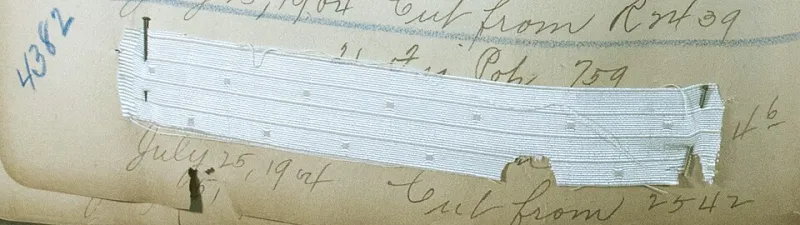
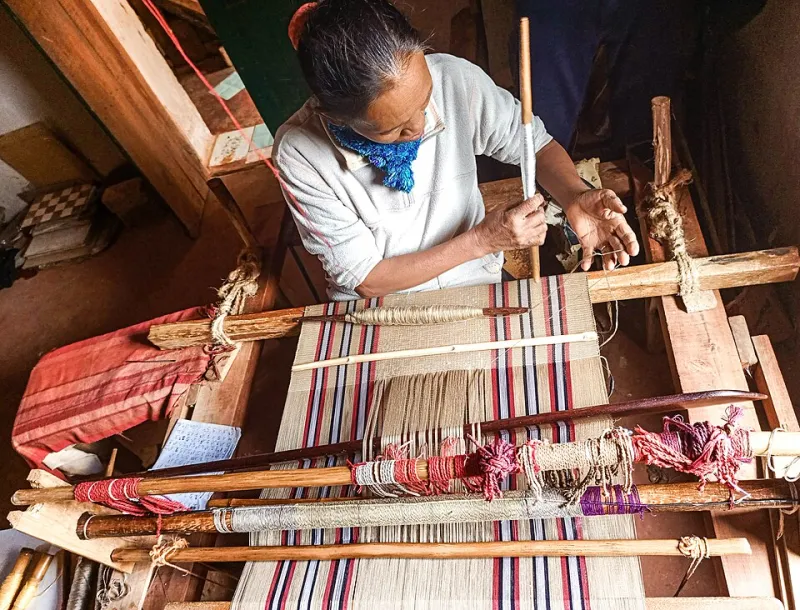
Photo: Philafrenzy, CC BY-SA 4.0, via Wikimedia Commons
Silk is not a monolith. Beneath the broad luxury designation lies an extraordinary range of weights, weave structures, and surface textures — each behaving differently against the skin, in different light, and across different climates. Yet most consumers approach a silk purchase the way they might choose a bottle of wine without a sommelier: drawn to the label, uncertain of the substance within.
At First Silk, we believe that understanding the textile itself is the foundation of any successful purchase. What follows is a practical framework — part science, part sensory education — for matching the right silk to the right person in the right environment.
Understanding Momme: Silk's Weight Scale
Before considering skin tone or geography, every prospective silk buyer should become fluent in momme — the unit of measurement that describes silk fabric density. One momme equals 4.340 grams per square meter. The higher the momme weight, the denser and more opaque the fabric.
- 6–9 momme: Exceptionally sheer, ideal for underlining, veiling, or layering. Not suitable as standalone garments.
- 12–16 momme: The classic range for blouses, scarves, and lingerie. Lightweight and fluid, with excellent drape.
- 19–22 momme: The workhorse of luxury silk — substantial enough for dresses, suits, and occasion wear without sacrificing movement.
- 25–30+ momme: Heavyweight silk charmeuse or silk satin, prized for bedding, eveningwear, and structured tailoring.
A 30-momme silk charmeuse drapes with quiet authority. A 12-momme habotai whispers across the skin. Neither is superior in the abstract — context determines everything.
Weave Structures and Their Personalities
Beyond weight, the weave structure fundamentally alters how silk performs and presents itself.
Charmeuse features a satin weave that produces a luminous face and a matte reverse. Its liquid drape makes it exceptionally flattering on curved silhouettes, as it follows the body's contours rather than imposing structure.
Crepe de Chine offers a subtly textured surface with moderate stretch and recovery. Its matte finish diffuses light, making it forgiving across a broad range of body types and particularly effective in minimizing the appearance of texture or unevenness in the skin.
Dupioni and Raw Silk present a more textured, nubby surface with natural slubs from the fiber. These fabrics add visual interest and structure, lending themselves to tailored pieces where the fabric becomes part of the statement.
Chiffon and Georgette are the airy, diaphanous options — ideal for layering, flowing sleeves, and warm-weather occasion dressing. Their transparency requires thoughtful lining decisions.
Twill weaves, such as those used in traditional silk scarves and suiting, offer durability and a diagonal rib that catches light differently from satin constructions, producing a subtler, more restrained sheen.
Reading Your Skin Undertone
The relationship between silk and skin tone is one of the more underappreciated dimensions of fabric selection. Undertone — whether warm (golden, peachy, olive), cool (pink, blue, neutral), or neutral — interacts with silk's natural luster in ways that can either illuminate or flatten the complexion.
For warm undertones: Silk charmeuse and silk satin, with their golden-adjacent sheen, tend to amplify warmth beautifully. Rich jewel tones — amber, terracotta, forest green — rendered in a higher-momme charmeuse create a luminous effect. Conversely, stark white or icy pastels in a high-sheen fabric can read harsh against warm skin.
For cool undertones: The matte surface of crepe de chine or georgette offers a softer contrast, allowing the fabric's color to carry the visual weight rather than the sheen. Ivory, soft blush, deep plum, and navy perform particularly well. High-luster satins can work beautifully in cooler tones when the color is equally cool.
For neutral undertones: The good news is considerable flexibility. Neutral complexions can navigate both matte and lustrous silk finishes with relative ease. The deciding factor often becomes body temperature and drape preference rather than strict undertone theory.
Climate as a Styling Variable
Geographic climate is among the most pragmatic and frequently overlooked factors in silk selection. The United States spans a remarkable range of climates, and a silk that performs magnificently in San Francisco may prove impractical in Houston or Minneapolis.
Humid, warm climates (Southeast, Gulf Coast): Lighter momme weights in breathable weaves — habotai, chiffon, and crepe de chine — are the intelligent choice. Silk's natural protein fiber is hygroscopic, meaning it absorbs and releases moisture efficiently, which provides genuine comfort advantages over synthetics in humid conditions. Avoid high-momme charmeuse in peak summer heat, as the density can trap warmth.
Arid, warm climates (Southwest, California interior): Silk excels here. The fiber's natural temperature-regulating properties shine in dry heat. Medium-weight crepe de chine and charmeuse are practical daily options. The UV protection properties of tightly woven silk — often overlooked — are a real benefit in high-sun regions.
Cold climates (Northeast, Midwest, Mountain West): Heavier dupioni, silk velvet, and high-momme charmeuse come into their own. Silk's insulating properties, often surprising to new buyers, make it a legitimate cold-weather fiber when weight is sufficient. Silk base layers are a time-honored approach in colder regions, offering warmth without bulk.
Transitional climates (Pacific Northwest, Mid-Atlantic): Versatility is paramount. Medium-weight crepe de chine and twill silks that layer comfortably represent the most pragmatic investment.
Building a Considered Silk Wardrobe
The most effective silk wardrobe is not assembled all at once. It is built deliberately, with each acquisition made in full awareness of the buyer's individual variables — undertone, climate, lifestyle, and intended use.
A foundational 19-momme crepe de chine blouse in an undertone-flattering neutral is almost universally versatile. A statement piece in silk velvet or dupioni, chosen for a specific occasion and climate context, extends the wardrobe's range. A lightweight chiffon layer bridges seasons.
At First Silk, we regard every fabric selection as an act of informed judgment. The goal is not merely to own silk, but to wear it in the manner that most fully honors both the material and the person within it. When the weight, weave, undertone, and climate align, silk does not simply drape the body — it elevates it.