The Blend Equation: What Ten Percent Silk Actually Buys

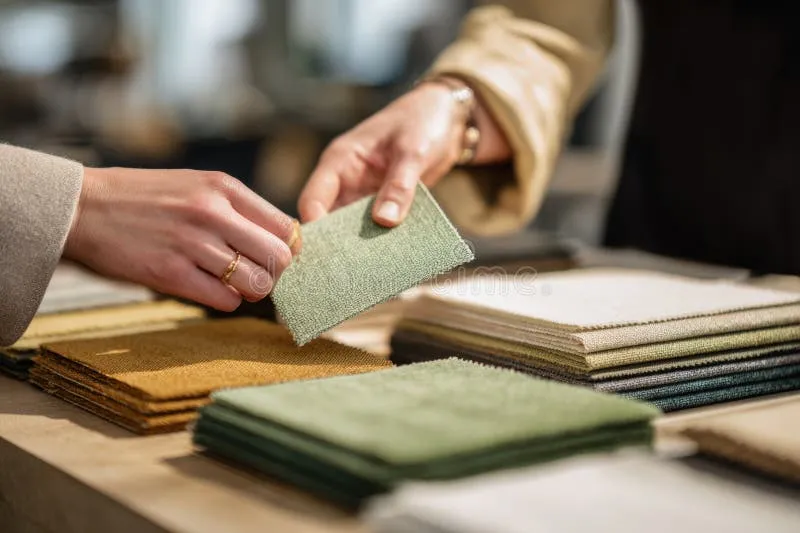
Photo: luxury fabric swatches of silk blends arranged on a designer worktable, via thewowstyle.com
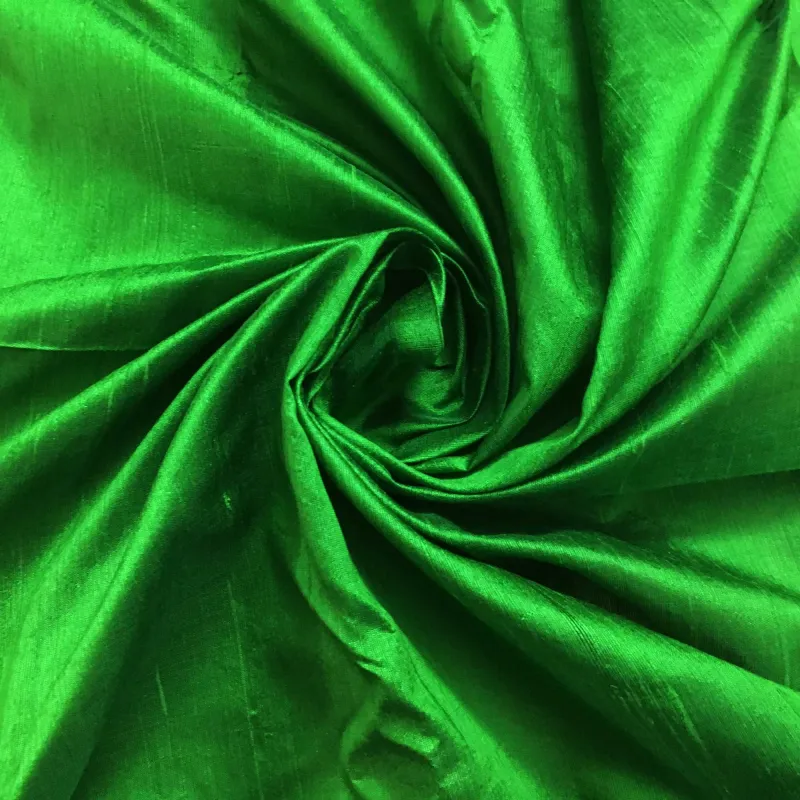
Silk is a powerful fiber. A small amount can alter how a fabric falls, feels, and reflects light. It can also alter a price tag out of all proportion to its presence. The gap between fiber content and luxury positioning is one of the quiet commercial stories of the American fabric market in 2026. For designers sourcing cloth and for consumers reading labels, the useful question is not whether a blend contains silk. It is what the silk is doing, and whether the rest of the fabric supports the claim.
Why Blends Exist
Blends are not inherently inferior. They exist because fibers have different strengths. Silk brings luster, drape, and a distinctive dry hand. Cotton brings breathability and abrasion resistance. Wool brings warmth and recovery. Linen brings texture and crispness. Viscose and rayon bring fluidity at a lower cost. Elastane brings stretch. A well-constructed blend can be more suitable for a given garment than either fiber alone.
The trouble begins when the blend is used as a story rather than a construction. A fabric with 10 percent silk and 90 percent polyester may feel pleasant, but its performance is governed largely by the polyester. Its price, however, may be governed by the silk. That is not fraud. It is positioning. The buyer’s task is to separate the two.
The Label Is a Floor, Not a Ceiling
Under U.S. labeling rules, textile fibers present at 5 percent or more must be disclosed by percentage, generally in descending order by weight. Fibers below that threshold may be grouped as other fiber unless they have functional significance. A 10 percent silk blend should therefore say so. But the label does not tell you the quality of the silk, the type of yarn, the weight of the fabric, the finish, or the performance tests the mill has run. It is a disclosure floor, not a guarantee of luxury.
That distinction matters in a market where the word silk carries enormous associative weight. A fabric can be technically accurate and still be marketed in a way that implies more than the content supports. Designers who understand this can ask better questions. Consumers who understand it can avoid paying for a story that the cloth cannot deliver.
Common Blends and What They Trade
Silk and cotton. This is one of the most useful everyday blends. Cotton adds body and durability; silk adds softness and a subtle sheen. The trade-off is that the silk may not be obvious unless the percentage is high enough or the yarn is arranged to show it. A 10 percent silk cotton can feel refined, but it will not behave like pure silk.
Silk and wool. Often used in suiting and fine knitwear, this blend can improve drape while retaining warmth and recovery. The risk is care. Wool and silk have different tolerances for water, heat, and agitation. A blend may require dry cleaning even when one component alone would not.
Silk and viscose or rayon. These blends can produce a fluid, affordable cloth with a soft hand. They may also shrink, stretch, or lose shape more readily than pure silk. The label may read elegantly, but the performance profile is closer to rayon than to silk.
Silk and linen. This is a summer staple with texture and lightness. The trade-off is wrinkling and a more casual surface. A small silk percentage may soften the linen without changing its fundamental character.
Silk and elastane. A small amount of elastane can make a silk garment more comfortable and forgiving. It can also complicate repair and long-term care. The silk may still be the dominant fiber by weight, but the elastane changes how the fabric ages.
Silk and polyester. This is the blend most likely to invite skepticism. Polyester can improve durability and reduce cost, but it can also mute the luster and change the hand. A high silk percentage can produce a convincing fabric. A low silk percentage usually produces a polyester fabric with a silk story.
Silk and cashmere. At the luxury end, this blend can be extraordinary. At low silk percentages, the cashmere may dominate the feel while the silk contributes little beyond the label. The price should reflect the actual balance, not the presence of the word.
When a Small Percentage Earns Its Premium
A small percentage of silk can be worth a premium when it performs a specific function. Silk can improve drape in a lightweight wool, add a subtle luster to a cotton poplin, or soften the hand of a linen. It can also improve the way a fabric takes dye or responds to finishing. In those cases, the silk is not decoration. It is engineering.
The premium is harder to justify when the silk is present mainly to support a marketing claim. A 5 percent silk blend that feels coarse, pills quickly, or requires specialist care without delivering visible benefit is not a luxury fabric. It is a fabric with a luxury adjective. Designers should test the cloth in the ways that matter: drape it on a stand, cut a sample, sew a seam, press it, and observe how it behaves after cleaning. Consumers should ask what the blend is for, not merely what it contains.
A Buyer’s Checklist
Ask for the full fiber content by percentage, not just the headline fiber. Ask for the fabric weight and width. Ask whether the silk is mulberry, tussah, or another type, and whether the yarn is spun or filament. Ask how the fabric performs in abrasion and pilling tests, and whether it has been pre-shrunk. Ask what care the mill recommends and whether that recommendation is based on testing or caution.
For designers, the cost per garment matters more than the cost per yard. A cheaper blend that wastes more in cutting or fails in wear is not cheaper. For consumers, the question is simpler. Does the fabric feel and behave as the price suggests? If the answer is no, the silk percentage is not the problem. The story is.